projects

Work that took root.

The programs and projects on this page were developed and led by our founder, Charlotte Brett, across two decades of practice, first through her prior firms and now through Coppice. Most of them are in Western New York.

the long game

Long-term relationships

Charlotte's practice is built on relationships that span years and sectors. In the nonprofit world, she has served since 2019 as contracted Executive Director of New York Green, leading its planning portfolio from the county's Climate Resiliency Plan through comprehensive plans, park design, and grant administration. In the municipal world, her ongoing funding and planning work with the Town of Batavia has produced more than $4 million in successful grants and a growing pipeline of water, infrastructure, and waterfront projects. And in the private sector, she directed the New York mitigation program of a private environmental-markets investor for eight years, securing the work, developing site strategies, authoring the mitigation plans, and managing implementation and monitoring, in a client relationship that has continued across firms, while peer engineering firms repeatedly bring her onto their own project teams.

a case study in staying

Seven years of compounding work in Genesee County

Some of the best work builds on itself. In Genesee County, the 2019–2023 Climate Resiliency Plan, the first completed under the Department of State's countywide resiliency program, mapped the county's environmental risks and priorities. The Town of Batavia's strategic funding program turned those priorities into successful applications, including a $1 million aquifer study application now under federal review. And the resiliency plan itself recommended a Local Waterfront Revitalization Program for Tonawanda Creek; the Town is now pursuing that planning. One relationship, with each piece of work building on the last. Watch the plan's completion announcement with the Department of State →

selected experience · communities

Communities

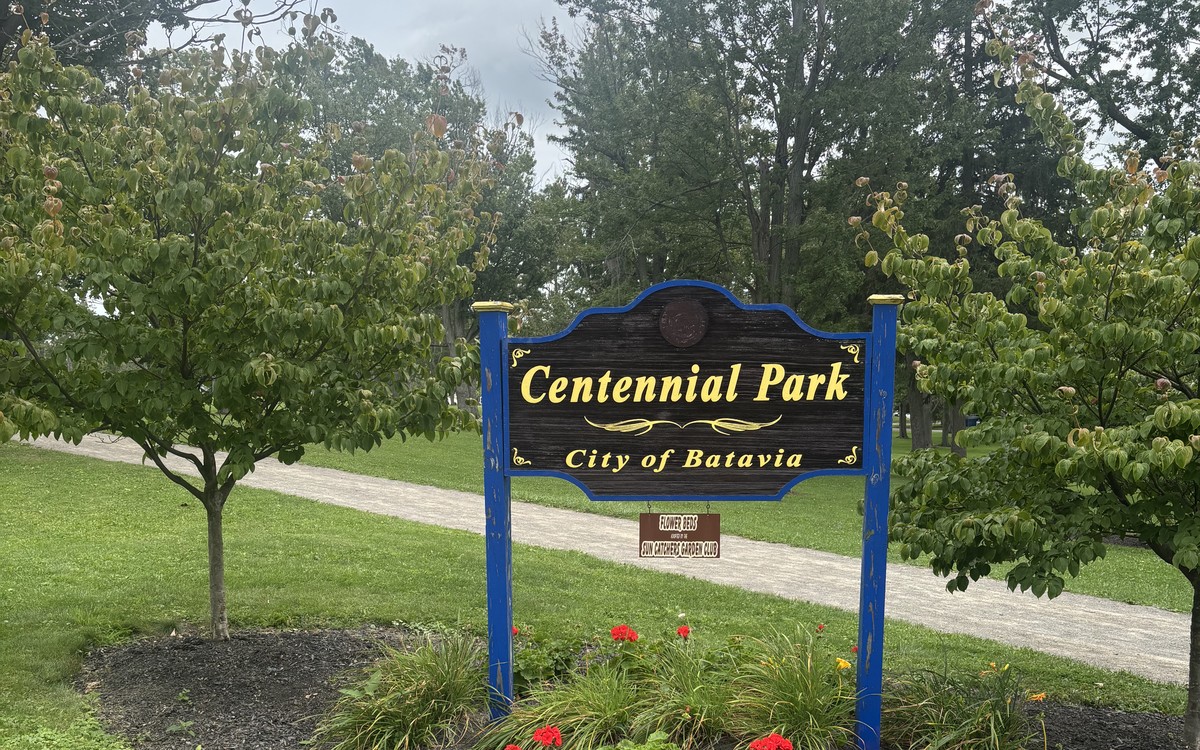
Centennial Park sign in Batavia with red flowers at its base and mature trees behind
Centennial Park in Batavia, a demonstration project within the countywide plan

Climate & resiliency planning

Genesee County Climate Resiliency Plan

Client-side project management of a $250,000 county-wide climate adaptation and resiliency planning effort, the first plan completed under the Department of State's countywide resiliency program: directing the consulting team, administering the grant, and presenting alongside the Deputy Secretary of State at its unveiling.
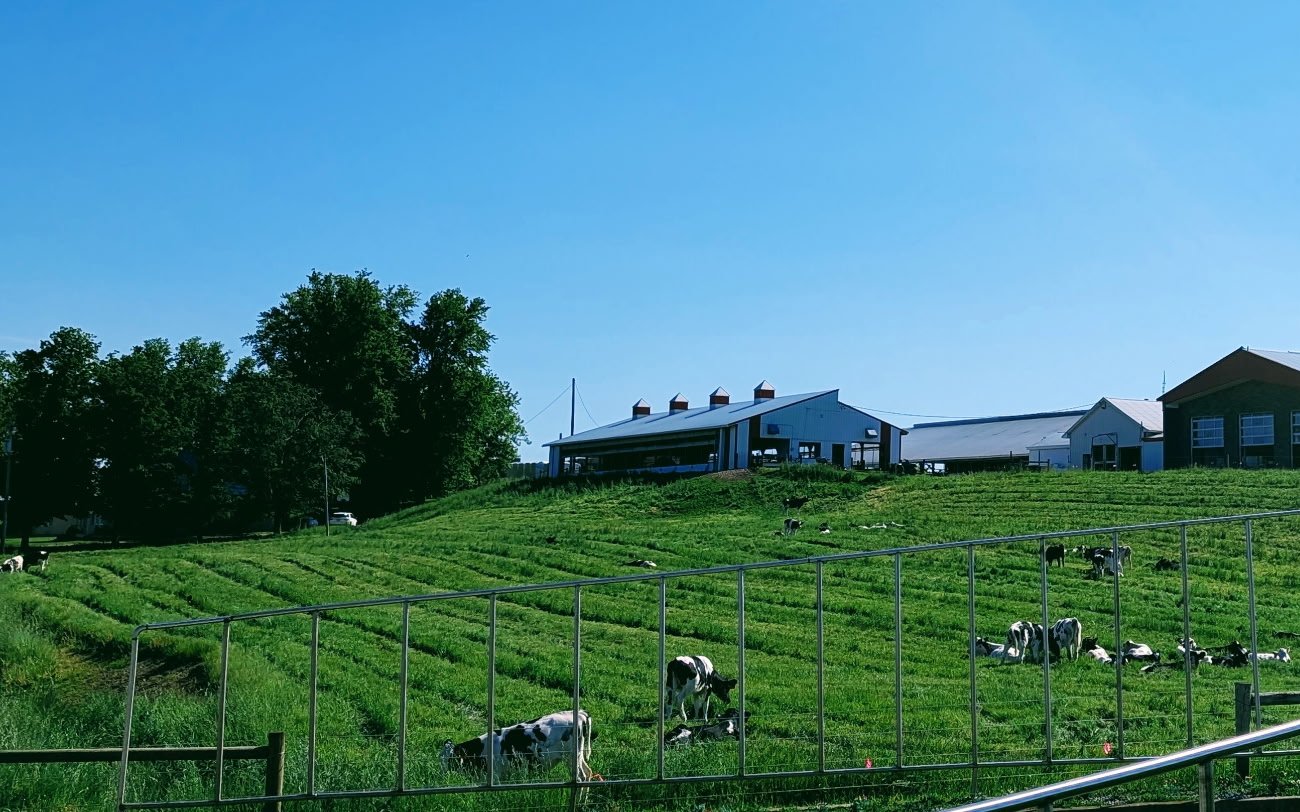
Holstein dairy cattle grazing on hillside pasture below the barns of a family farm in Alexander
Dairy cattle on pasture at a family farm in Alexander

Comprehensive planning

Town & Village of Alexander Smart Growth Comprehensive Plan

A joint town-and-village comprehensive plan for a rural Genesee County community: grant writing and administration, project management, community engagement, and substantial plan drafting. Rather than waiting for a hearing-room crowd, engagement went to where people already were: classroom visits with students, meetings with church leaders, a business owners' focus group, one-on-one interviews with farmers, and pop-up stations at community events, generating an unusually rich picture of what the community wants to protect and what it wants to change.

In the news: The Batavian →

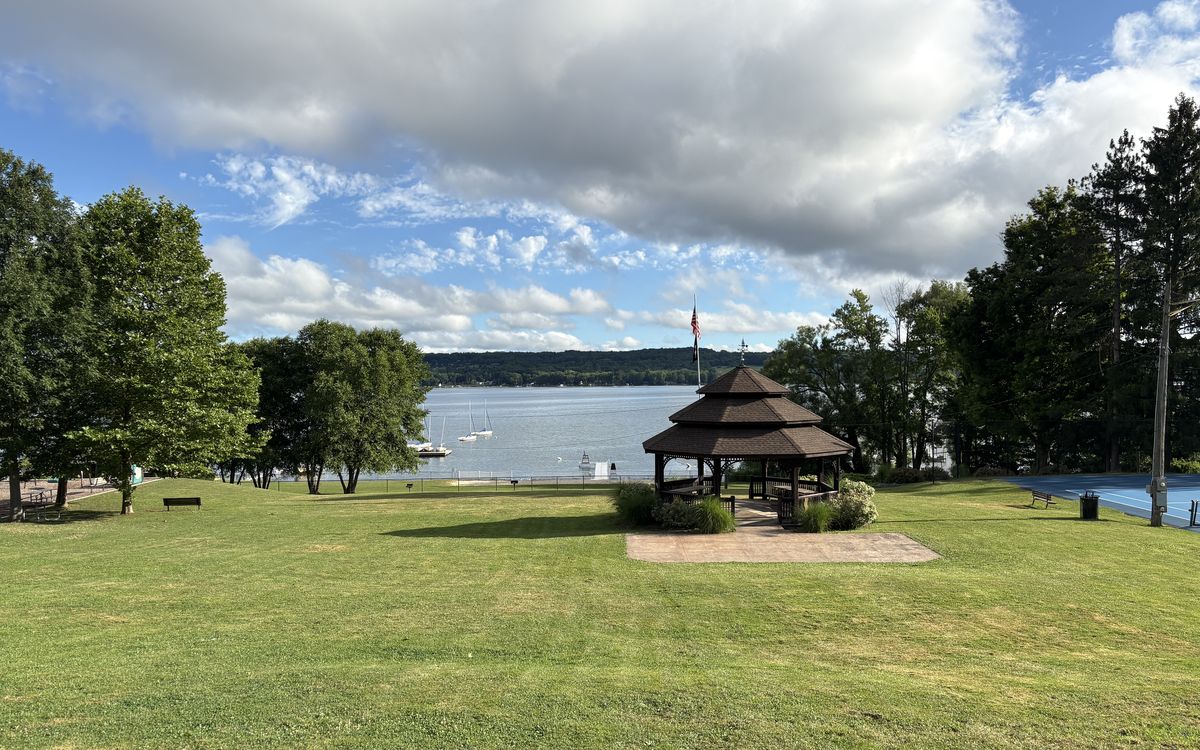
Hartley Park lawn and gazebo overlooking Chautauqua Lake
Hartley Park

Community engagement

Hartley Park Waterfront Revitalization, Chautauqua County

Steering-committee and community engagement leadership for a park shoreline and waterfront improvement project. Play-based workshops turned residents' hopes and concerns into direction the design team could act on, in partnership with the project's engineering firm. When the work turned to paper, Charlotte shaped the master plan report from its framing through the final draft, drafted the Village's responses to public comments, and secured steering-committee approval before they were published.

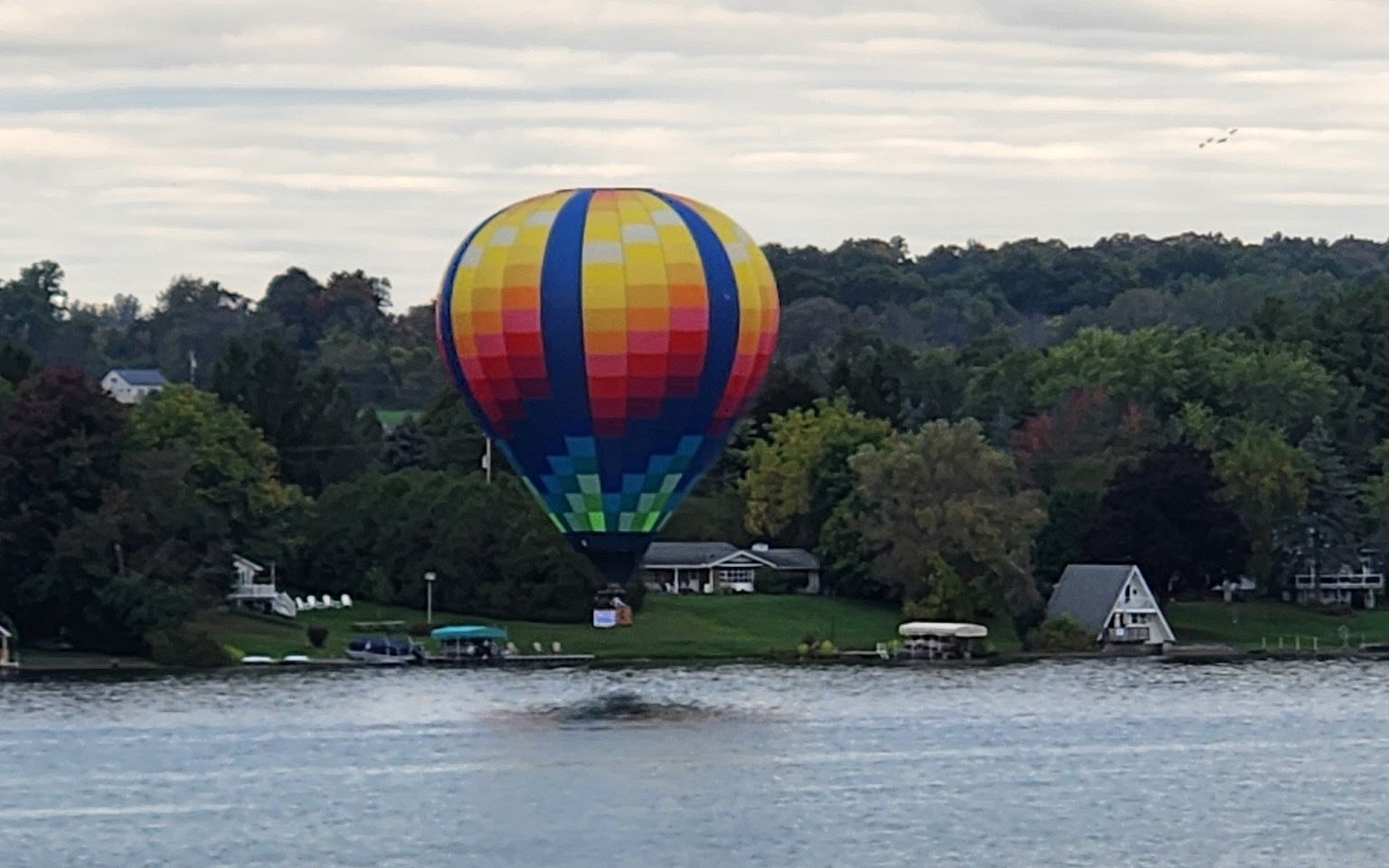
A colorful hot air balloon drifting low over homes and docks along the Silver Lake shoreline
A hot air balloon drifts over the Silver Lake shoreline

Waterfront revitalization

Silver Lake Local Waterfront Revitalization Programs, Wyoming County

LWRPs for the Towns of Castile and Perry and the Village of Perry: three municipalities, three designated waterways, and two state parks, planned through one shared process. Inventory and analysis, boundary mapping, dozens of recommended projects centered on water quality and public access, hands-on engagement from farmers-market pop-ups to pontoon tours, and steady continuity through county staffing transitions and a mid-project expansion: shaping the expansion application’s scope, budget, and schedule, gathering letters of support, and guiding the County’s author through a submission that won a second Department of State award larger than the first.

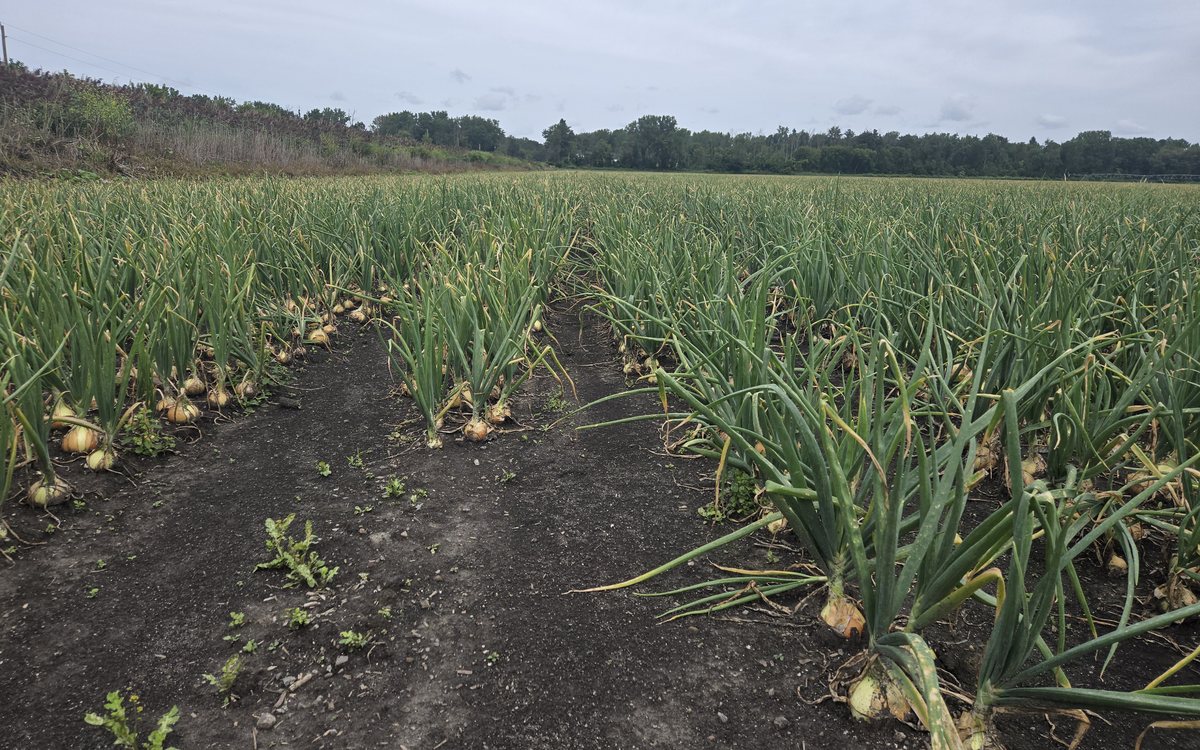
Rows of onions ripening on black muck soil in Elba
Onion rows on the Elba muck

Comprehensive planning

Town & Village of Elba Smart Growth Comprehensive Plan

A joint comprehensive plan for the town and village at the heart of Genesee County's muckland farming region: grant writing and administration, project management, community engagement, and plan review and drafting support. The community survey, developed by Charlotte and published in English and Spanish so the muckland's farm workforce could weigh in alongside longtime residents, drew more than 330 responses, a strong showing for a small rural town, and surfaced community needs that would not otherwise have come to light.

In the news: The Batavian →

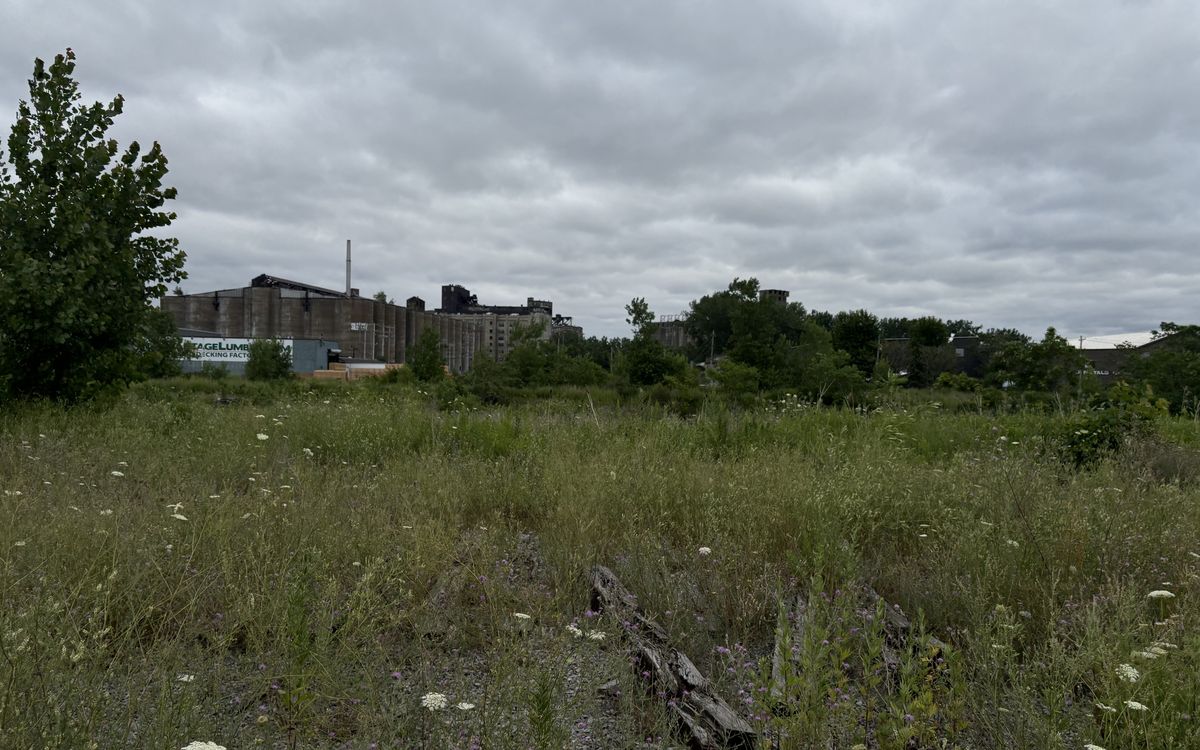
Meadow reclaiming the City Ship Canal site with Buffalo's grain elevators beyond
City Ship Canal site, Buffalo

Master planning

City Ship Canal Site Master Plan, Buffalo

Master plan for the Buffalo Niagara River Land Trust's City Ship Canal Conservation Area: 7.5 acres of former railyard on Buffalo's Outer Harbor, protected through the Buffalo River cleanup settlement and now charting an ecological future within the waterfront's wider revival. The plan is being developed in coordination with the Buffalo River trustees (NYSDEC, the Tuscarora Nation, and the U.S. Fish & Wildlife Service), and engagement meets people where they are, including a live-polling public webinar where residents weighed access options and wrote the site's headline for 2036.

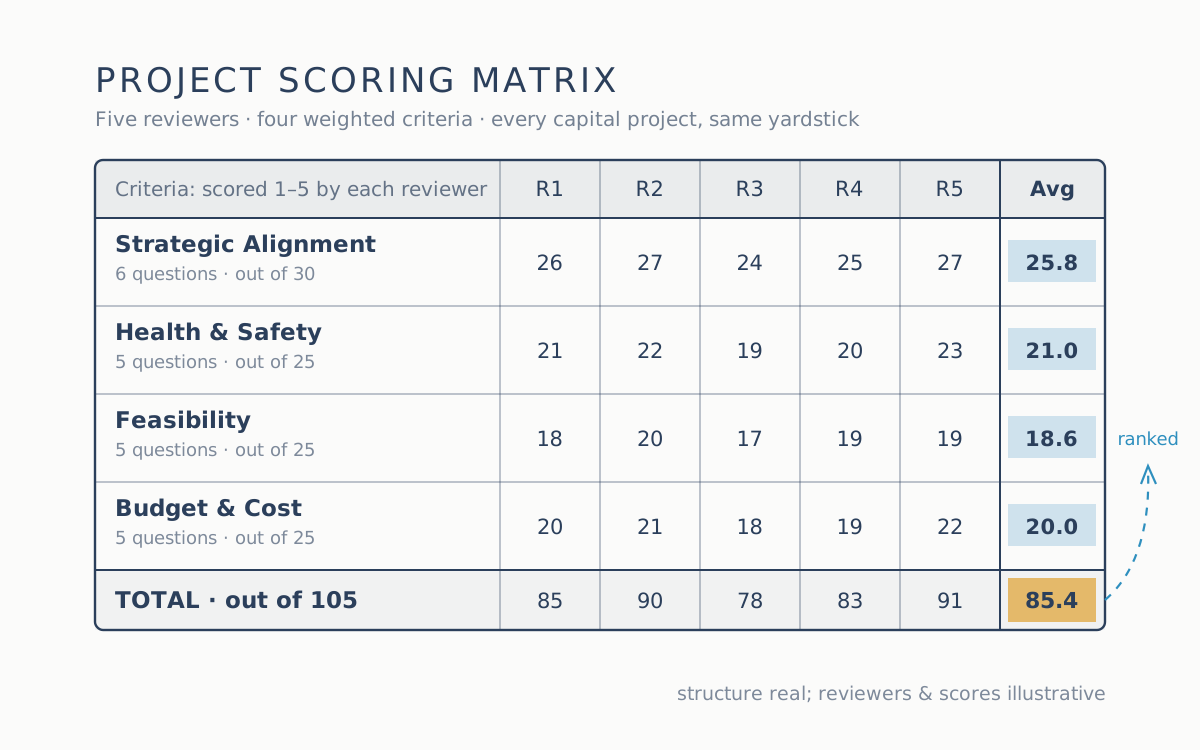
Five-reviewer project scoring matrix with weighted criteria sections and averaged totals
The five-reviewer scoring matrix behind the Town’s project rankings

Grant writing

Municipal Grant Strategy, Town of Batavia

Strategic funding planning and successful grant applications totaling more than $4 million for a single municipal client, matching community priorities to the funding programs built for them. A monthly working session with the Town's leadership keeps a portfolio of nearly 100 capital and planning projects in view: collaboratively ranked and prioritized through a shared matrix, with more than a dozen priorities evaluated on site and matched to State and federal programs, and capacity assessments that help the Town decide what to deliver in-house versus with consultants. Additional applications are now under review, including a $1 million study of the region's aquifers and a town comprehensive plan.

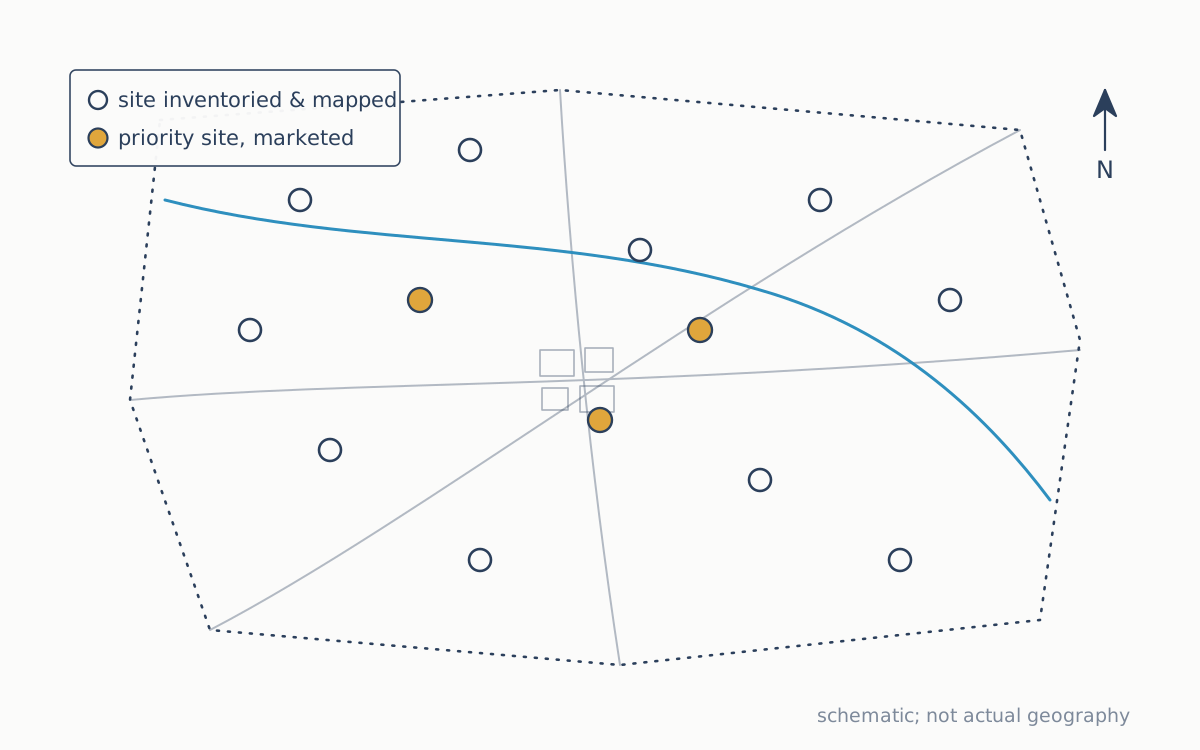
Schematic town map with inventoried sites marked as open circles and priority sites in gold
A town-wide site inventory, from mapping to marketing · schematic

Brownfield planning

Brownfield Opportunity Area Pre-Planning, Town of Batavia

A town-wide first step in New York's Brownfield Opportunity Area program: inventorying brownfield, vacant, and underutilized sites, mapping them in GIS, and preparing marketing sheets for priority sites, so growth is steered toward land already served by infrastructure while open space, farmland, and the ecological network stay intact. Shaped with the Department of State and won through the state's competitive funding process, with a Brownfields Coalition and broad community engagement built into the study. Charlotte wrote the winning application, teaming with a BOA-specialist planning firm on the work plan and budget, and now manages the project and administers the grant for the Town; the work is just getting underway.

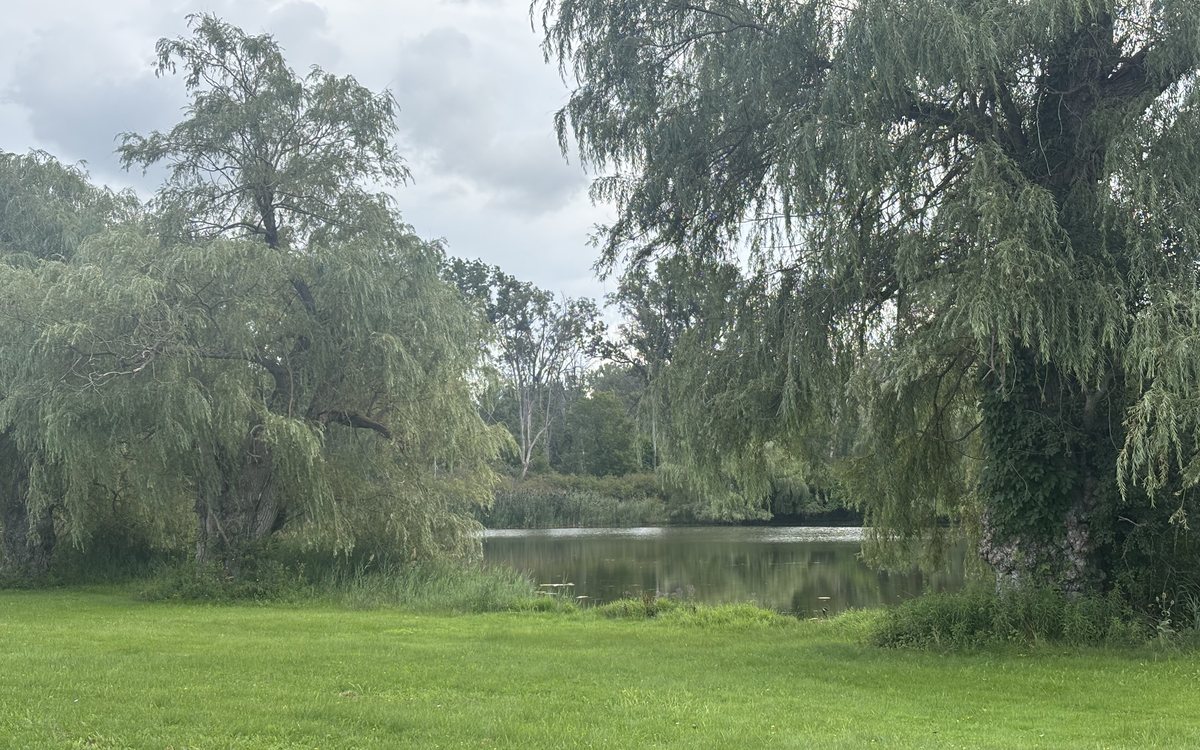
Willows framing the pond at the future park site
Willows over the pond at the future park site

Parks & public space

Guardian's Park, Town of Batavia

Planning and design for a new public park on Park Road, on land once part of the adjacent VA campus. Envisioned with the VA as universally accessible green space, the park will offer recreation and a therapeutic outdoors to veterans in long-term and behavioral-health care next door, and a welcoming oasis for the city's underserved neighborhoods. Charlotte won the design grant, managed the design team, and formed a stakeholder group of ten organizations, from town and city government to county agencies, federal neighbors, the business community, and the senior-living campus that borders the site, convening it through visioning, draft concept, final concept, and design development. Construction funding is now being pursued.

In the news: The Daily News →   Video News Service →

selected experience · and habitats

Habitats

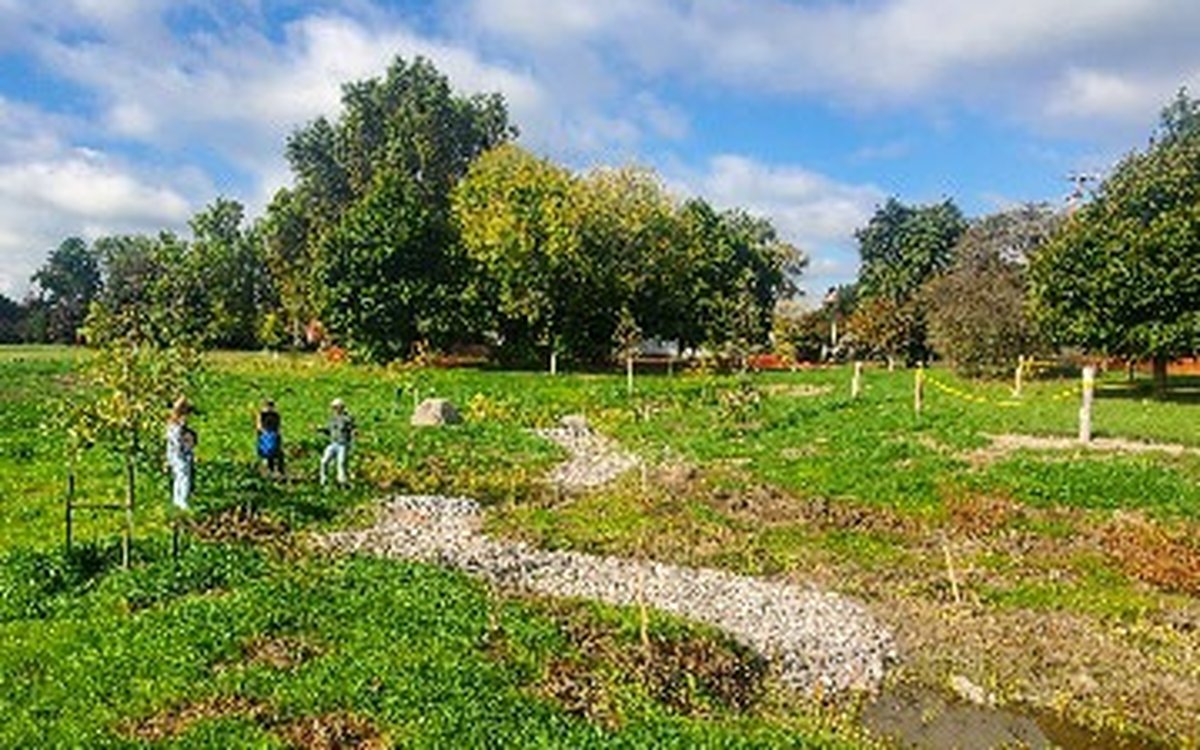
Newly planted green infrastructure area in Hyde Park along Gill Creek
Project area after substantial completion

Water quality

Gill Creek Green Infrastructure, Niagara Falls

Buffalo Niagara Waterkeeper's first green/gray hybrid infrastructure project, in Hyde Park, the largest municipal park in New York State west of Manhattan. Nature-based solutions improving water quality and habitat along Gill Creek, carried from winning proposal through design, permitting, community engagement, contractor selection, and construction. The finished project now serves as a living example of green infrastructure for the region.

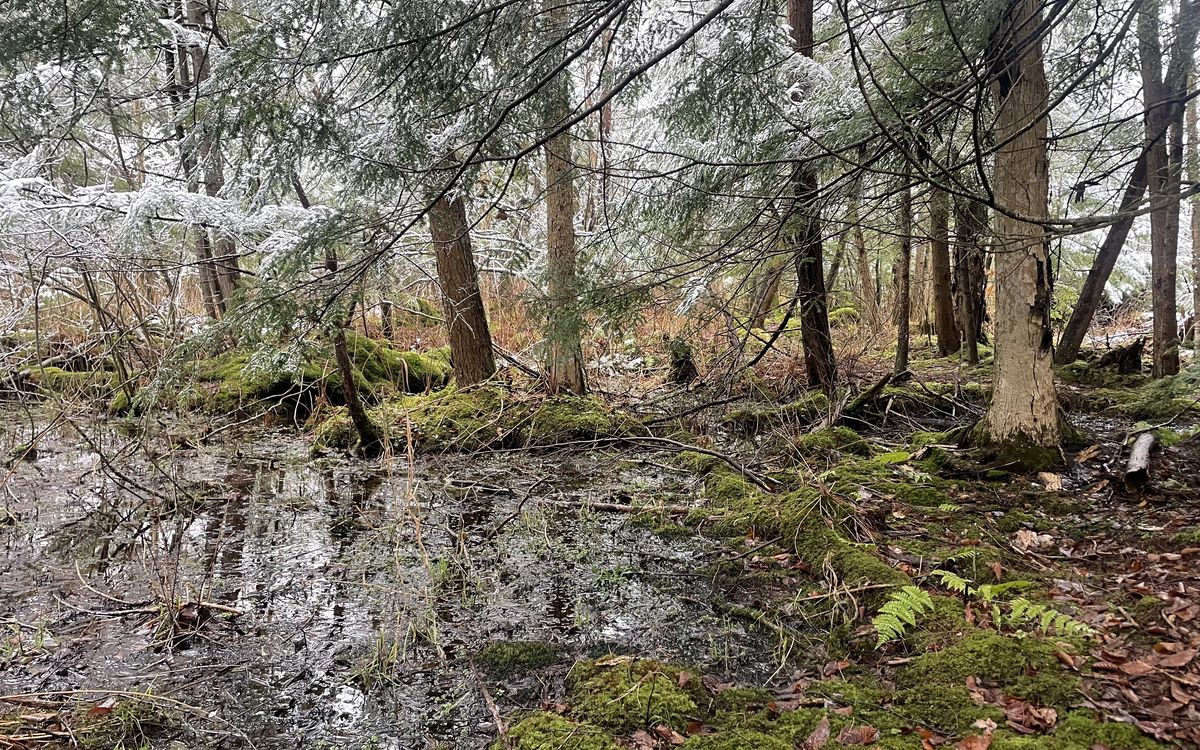
Forested wetland protected at the mitigation site, under a dusting of snow
Protected wetland at the mitigation site

Wetland restoration

Wetland Restoration for Wind Energy, Chautauqua County

Wetland restoration across two mitigation sites for a wind energy project, including a newly constructed forested floodplain wetland, from site strategy and mitigation plan authorship through USACE and NYSDEC approvals, implementation, and monitoring toward established habitat. The project also permanently protects 40 acres of Class I wetland, the state's most protective classification, and a 10-acre hemlock forest within Mud Lake Swamp, a state-listed significant natural community. Restoration extends to older wounds in the landscape as well: a former town dump capped with an evapotranspiration cover to keep leachate out of the creek, and a man-made dike partially removed in favor of a pedestrian bridge.

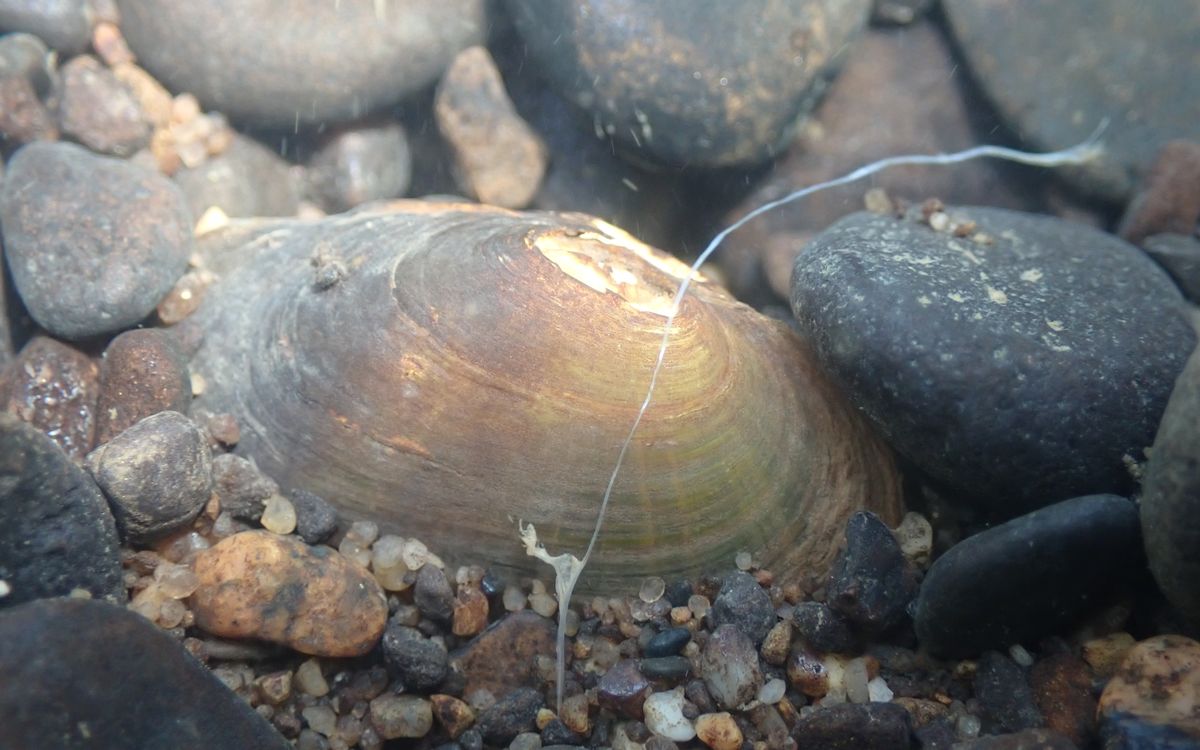
Rayed bean mussels burrowed in stream gravel
Rayed bean mussel, a federally listed species the project protects · USFWS photo

Stream restoration

Stream Restoration for Wind Energy, Chautauqua County

3,680 linear feet of stream restoration constructed against a 3,191-foot permit requirement, providing compensatory mitigation for a wind energy facility. When protected-species surveys ruled out the original in-stream approach, the answer was found on site: an alternative tributary, restored under an agency-approved plan, carried from mitigation plan authorship through permitting, implementation, and continuing design refinement and monitoring.

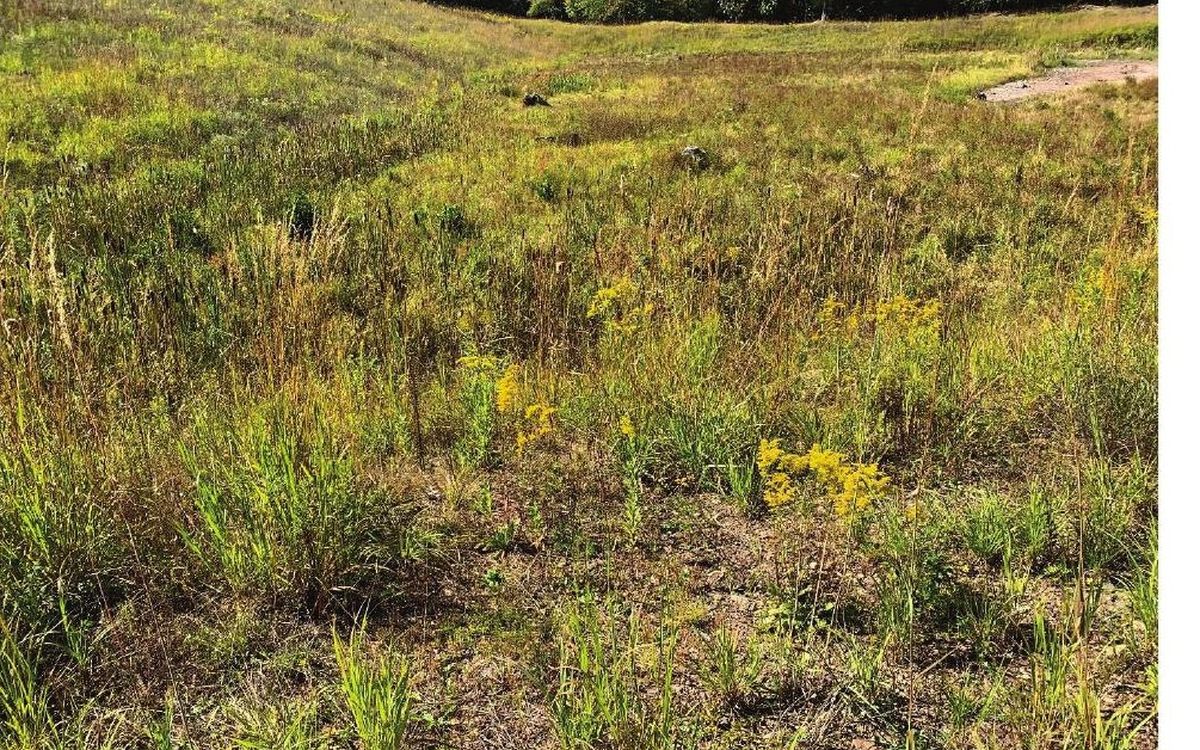
Golden meadow and wetland established on a reclaimed shale mine
Reclaimed mine site in late summer

Mine reclamation

Wetland Restoration at a Former Mine, Town of Catskill

Restoration of an abandoned, unreclaimed shale mine into wetland and upland habitat as compensatory mitigation for CSX Transportation's Catskill Second Mainline Track Project, carried through five years of monitoring and adaptive management to completion. NYSDEC brought its statewide mining staff to the site as an example of what post-closure reclamation can achieve, and nominated the project for two national reclamation awards.

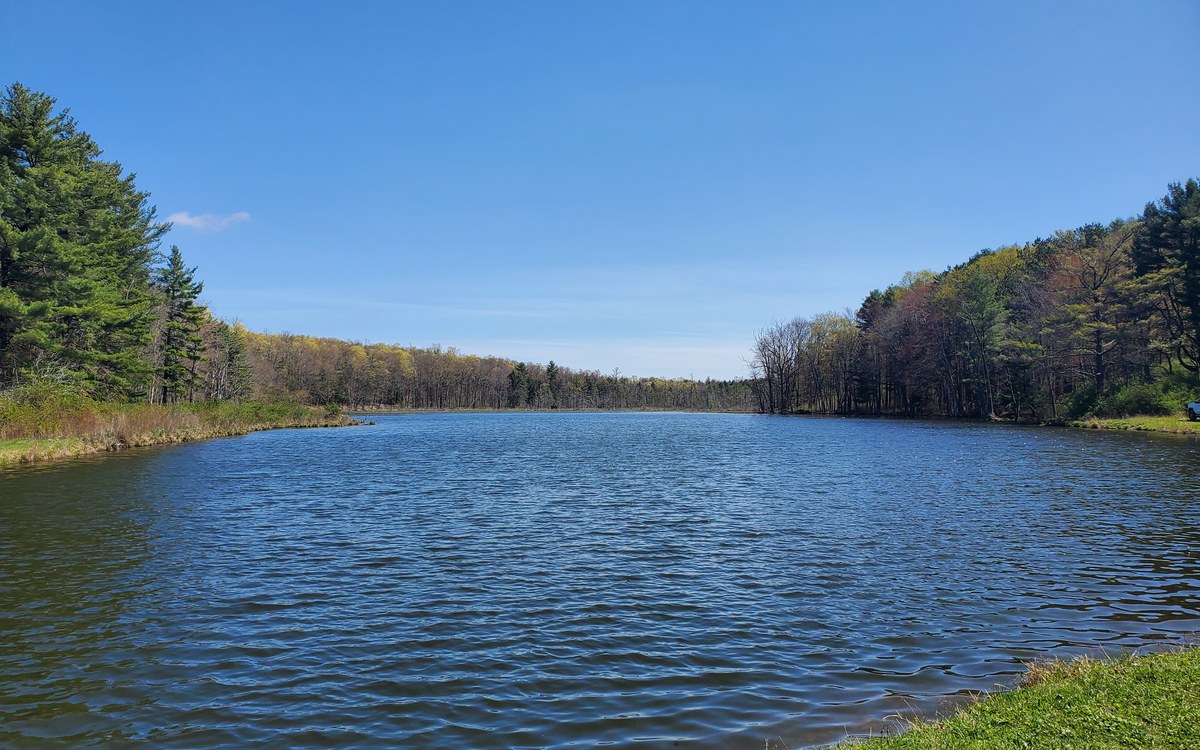
Brown's Pond, a shallow impoundment ringed by forest under a blue spring sky
Brown’s Pond, the impoundment assessed for removal

Dam removal

Brown's Pond Dam Removal Assessment, Warren County, PA

Environmental assessment supporting the Pennsylvania DEP's evaluation of a proposed dam removal at a small, shallow former fish-hatchery impoundment, where breaching the aging earthen dam and returning the waterway to a more natural condition offered an alternative to dam-safety repairs estimated in the millions. Field review, conceptual restoration input, and permit application support.

Short-eared owl perched over prairie grassland
Short-eared owl · USFWS photo

Grassland habitat

Grassland Habitat Management for Solar Energy

Contributing to grassland bird habitat management planning for a utility-scale solar facility in Livingston County: a management plan guiding the establishment of roughly 157 acres of new grassland, 139 of them protected under a conservation easement, for state-listed winter raptors including the short-eared owl and northern harrier, carried through agency review, with survey planning to guide implementation and monitoring.

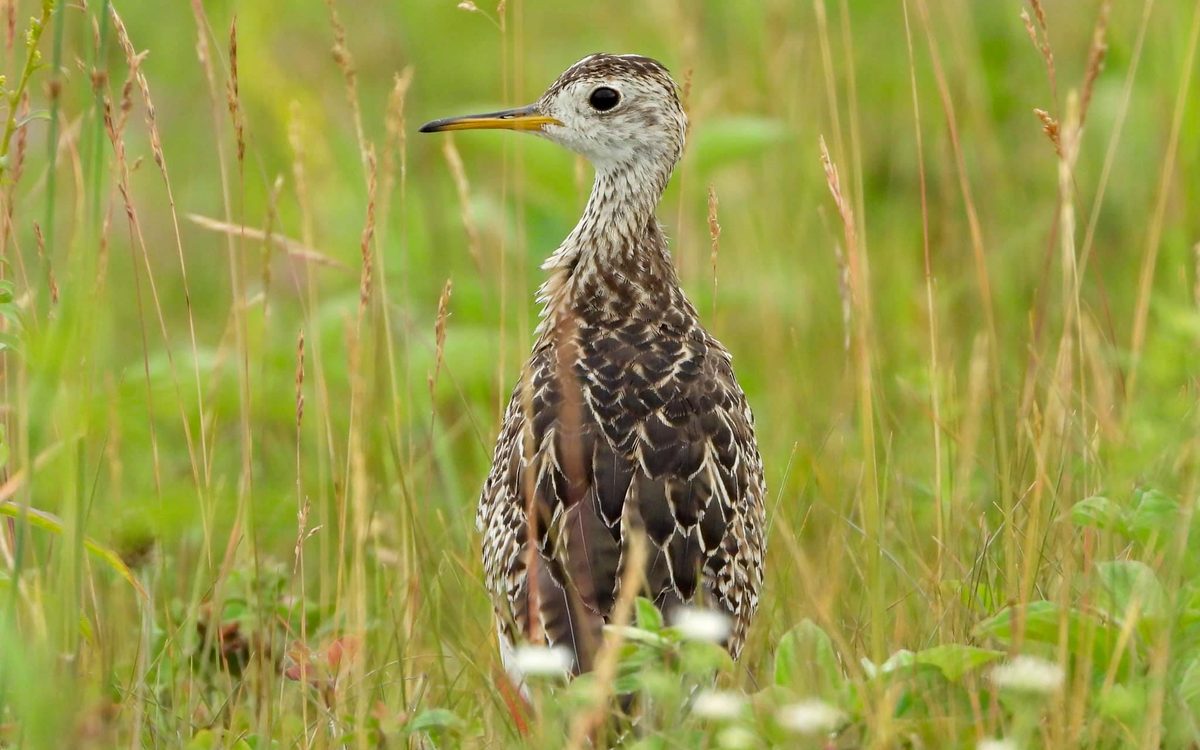
Upland sandpiper standing in grassland
Upland sandpiper · USFWS photo

Grassland habitat

Grassland Habitat Mitigation for Wind Energy

More than 200 acres of grassland bird habitat implemented on a Lake Ontario peninsula serving as a wind project's dedicated mitigation area for threatened and endangered grassland birds. A supporting role on a colleague-led project: helping draft and review the habitat plan, joining early site meetings with the client and contractor, and working the implementation itself, weighing and blending the full seed mix species by species and helping spread it across the site, with agency coordination ahead as the long-term strategy unfolds.

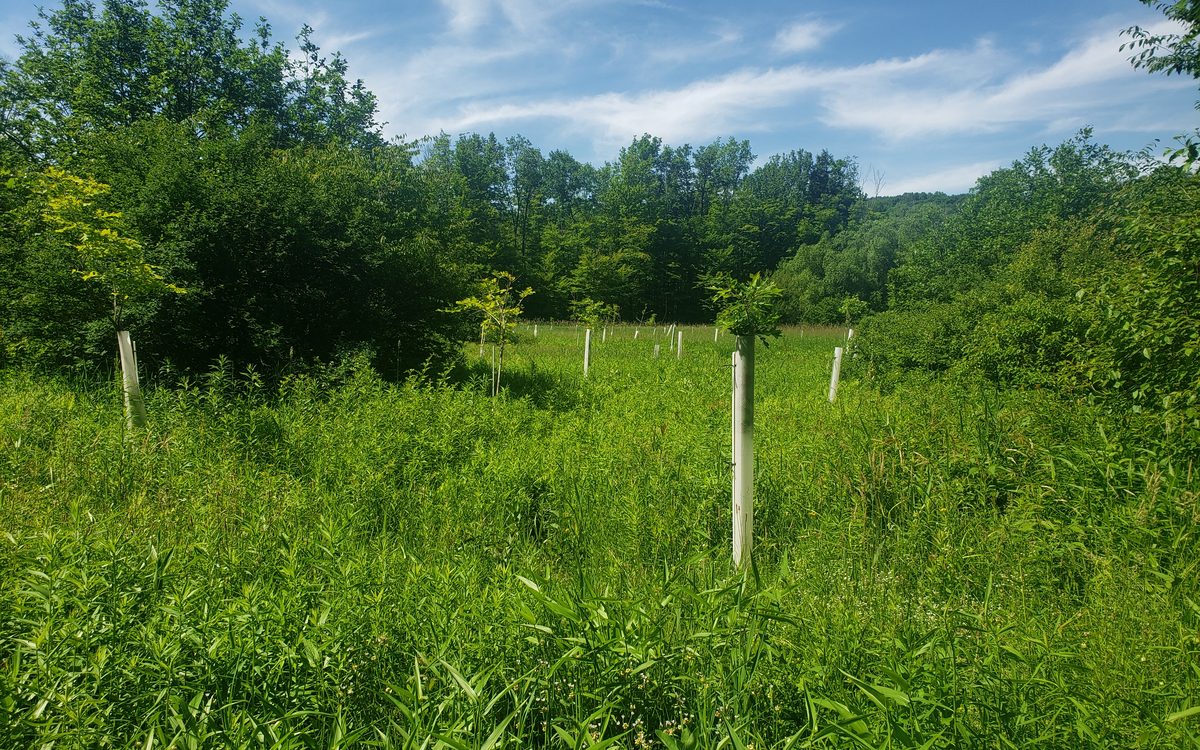
Young riparian plantings in protective tubes across a green meadow
Riparian plantings at the restoration site

Wetland restoration

Wetland Restoration & Riparian Reforestation, Chautauqua County

Nearly 20 acres of wetland establishment, rehabilitation, and enhancement for a utility-scale wind project: converting a reed canarygrass monoculture to diverse native wetland meadow and shrubland, planting a forested riparian buffer along a creek, and protecting the restored complex, with additional passive restoration and stream fencing at a second site. The site doubled as a classroom: Charlotte twice brought a local Girl Scout troop out to learn ecological restoration firsthand and gather supplemental monitoring data.

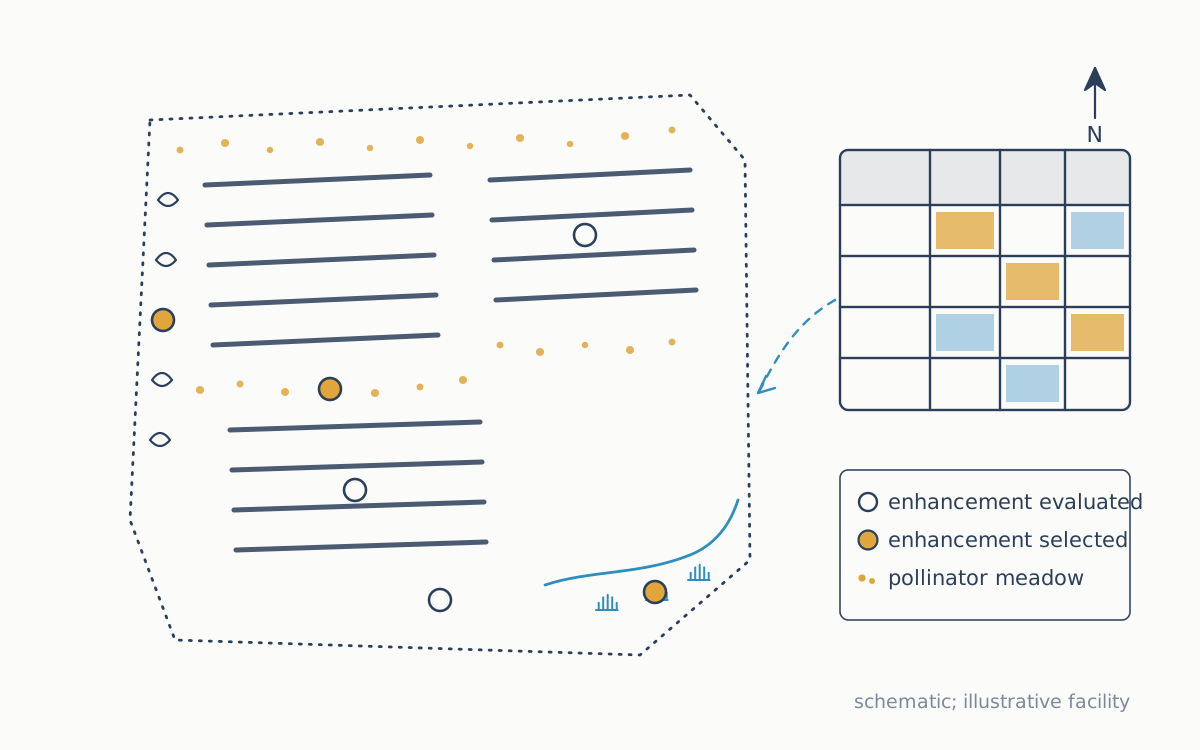
Schematic plan of a solar facility with enhancement zones evaluated and selected by a scoring matrix
Enhancement zones evaluated and selected across a solar site · schematic

Innovation

Solar Ecosystem Enhancement Tool

Co-development of a decision framework that helps solar energy projects choose scientifically supported land-management prescriptions, augmenting pollinator habitat, soils, water, and wildlife value while meeting regulatory requirements. The tool is built on a structured literature review, a scoring matrix, and worked examples. It wasn't left theoretical: it was applied to solar sites in three states, Oregon, Ohio, and Indiana, to road-test the method and hand the company site-specific guidance.

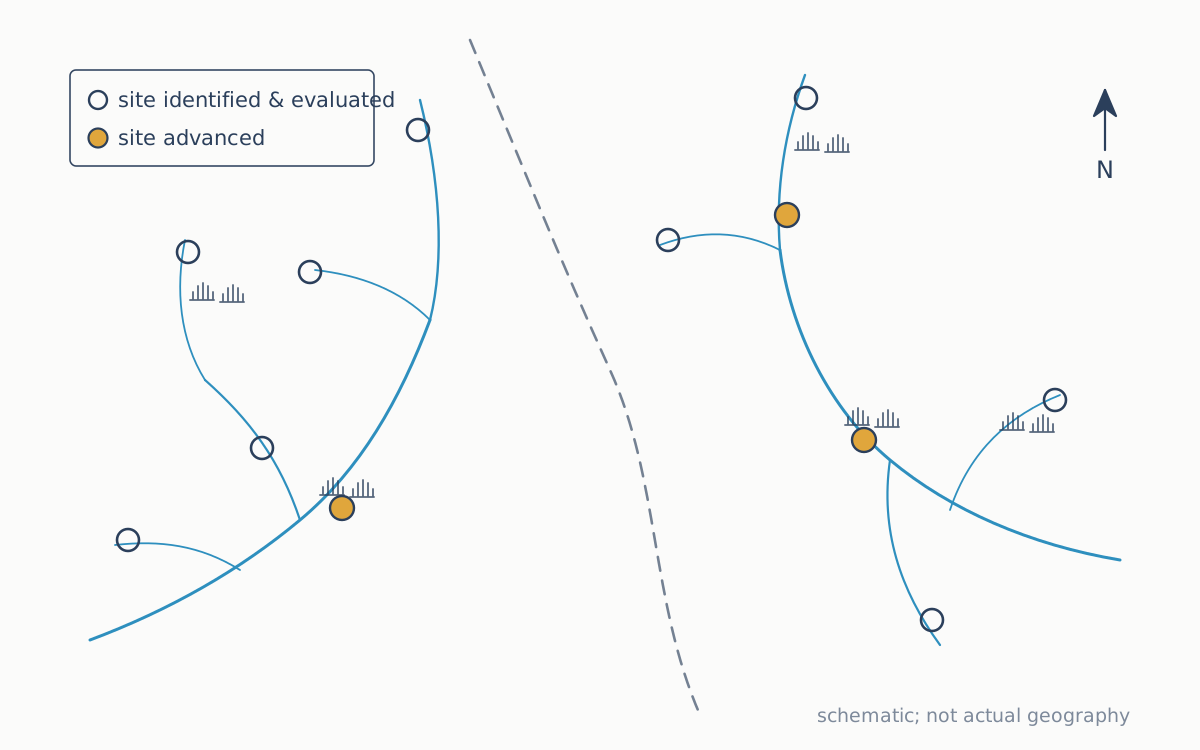
Schematic map of candidate mitigation sites identified and evaluated across two watersheds
Candidate sites identified and evaluated across two watersheds · schematic

Mitigation strategy

Wind Energy Mitigation Strategy, Northern New York

A turn-key mitigation strategy for one of the largest wind energy projects proposed in New York: hundreds of acres of wetland mitigation and thousands of feet of stream mitigation across two watersheds with no mitigation banks, weighing in-lieu-fee credits against permittee-responsible approaches under differing state and federal requirements. Candidate sites went from a mapping and desktop screen to several days of field evaluation with the client alongside, and the final strategy drew on both to weigh each site's ecological viability and constructability, down to practicalities like site access.

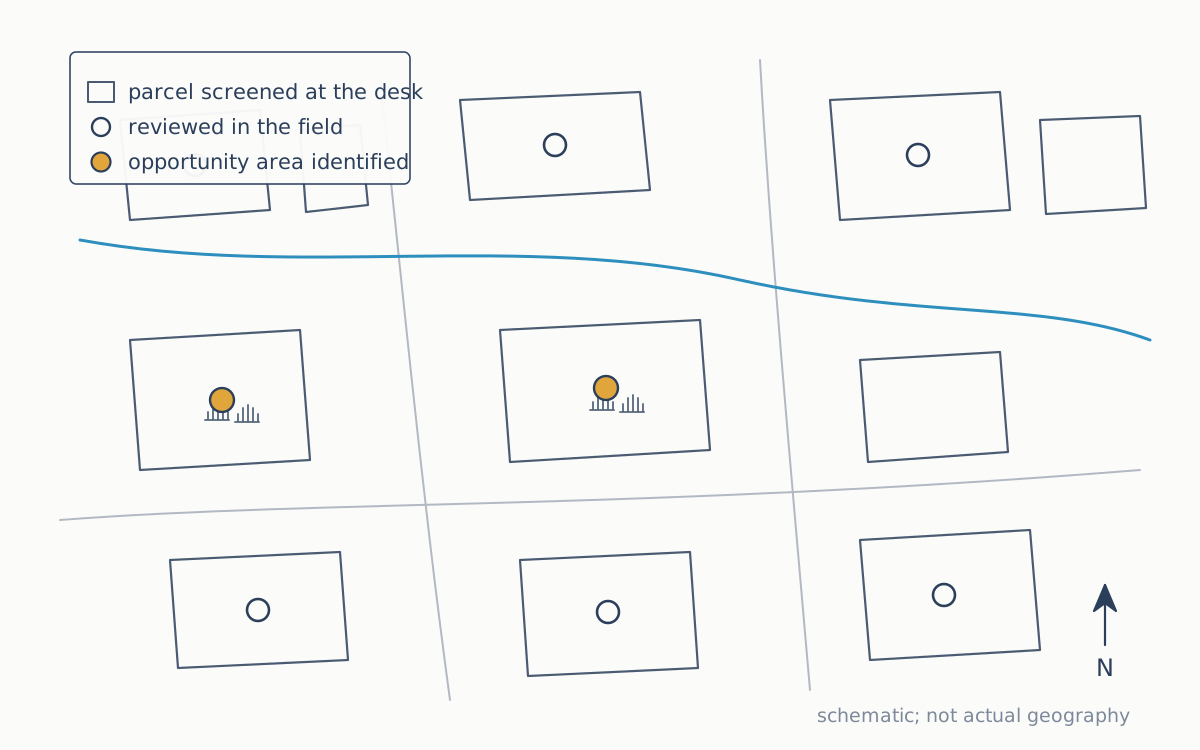
Schematic of candidate parcels screened at the desk, reviewed in the field, and narrowed to opportunity areas
Candidate parcels, from desktop screen to field review · schematic

Feasibility & market strategy

Mitigation Feasibility & Market Strategy, New York State

The strategy work that comes before any dirt moves. Two rounds of wetland-banking feasibility review for the Cayuga County Public Utility Service Agency carried candidate parcels from desktop mapping through field review, identifying mitigation opportunity areas at two sites and steering the agency away from ten others. A statewide assessment of New York's wetland and stream mitigation marketplace, prepared for a national ecological restoration company, mapped the regulatory landscape, in-lieu-fee programs, and permit trends region by region. Sometimes the most valuable finding is where not to build.

The programs and projects above were developed and led by Charlotte Brett through her prior firms, presented here as the professional experience of Coppice Planning's founder, not as work performed by Coppice Planning, LLC. Confidential client names withheld.